9 Books to Read If You Want to Understand What’s Happening in Venezuela

The situation in Venezuela is complicated, and there are a lot of voices speaking out about it in absolutes—for one side or the other. But perhaps the most important thing to know about Venezuela is that what has happened in the last few weeks is merely the result of a multitude of other things, decades in the making.
Venezuela’s issues didn’t start and end with Nicolás Maduro. They didn’t even start with Hugo Chávez. And they’re not just oil-related, though Venezuela, being the country with the biggest oil reserves in the world, certainly plays a part.
To understand Venezuela, we have to go farther back. And look deeper. So, here are 10 books you can read to understand what’s happening in Venezuela now and how it affects Latin America as a whole:
Crude Nation: How Oil Riches Ruined Venezuela by Raúl Gallegos
Raúl Gallegos, a former Caracas-based oil correspondent, explains how mismanagement of the country’s crude oil reserves has led to Venezuela’s economic woes. Knowledgeable and clear, Gallegos’ book is a good place to start to understand the big picture.
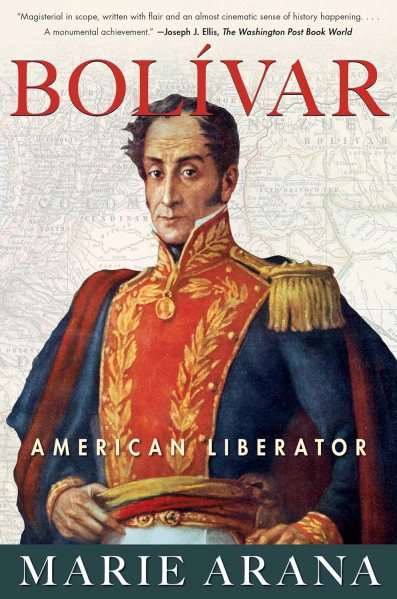
Bolivar: American Liberator by Marie Arana
Marie Arana, a Peruvian-American author and the inaugural Literary Director of the Library of Congress, goes even farther back and delves into Simón Bolívar, who freed six countries from Spanish rule and is still the most revered figure in South America today. Understanding the past is crucial to understanding Venezuela’s present, and it all starts with Bolivar.
Barrio Rising: Urban Popular Politics and the Making of Modern Venezuela by Alejandro Velasco
How did Venezuela go from one of Latin America’s most stable democracies in the 50s to a country suffering under Maduro’s rule for years? Alejandro Velasco draws on years of archival and ethnographic research in Venezuela’s largest public housing community to paint a take of urban popular politics that provides the necessary context to understand how Hugo Chávez came to power.
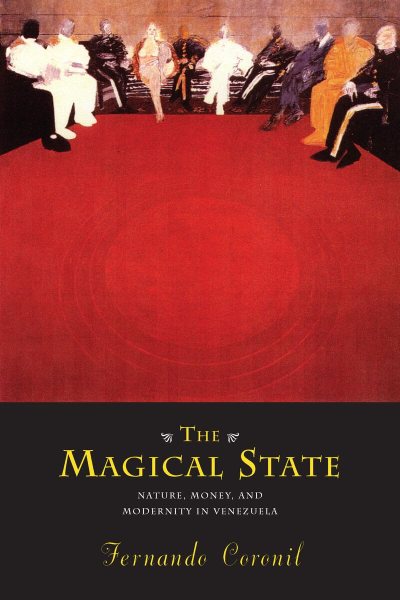
The Magical State: Nature, Money, and Modernity in Venezuela by Fernando Coronil
Fernando Coronil examines how Venezuela went from a booming major oil exporter to a country that lost itself in the process of attempting modernization, and does so while engaging with contemporary social theory. Less historical and more an analysis of political power and what it means for any state.
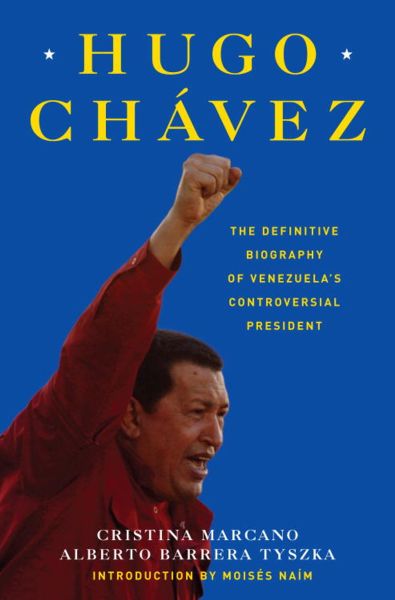
Hugo Chávez: The Definitive Biography of Venezuela's Controversial President by Cristina Marcano and Alberto Barrera Tyszka
Before Maduro came Chávez, and without Chávez, Venezuela would probably not be what it is today. This biography of Chávez by Cristina Marcano and Alberto Barrera Tyszka examines the man behind the revolution and delves deep into who he was and why he made the decisions he made, so we are able to examine what those decisions would come to mean for Venezuela.
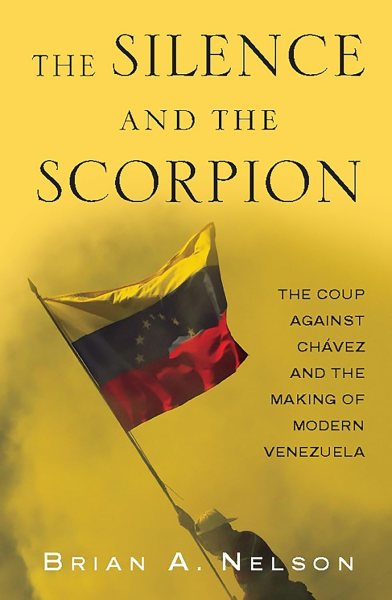
The Silence and the Scorpion: The Coup Against Chavez and the Making of Modern Venezuela by Brian A. Nelson
On April 11, 2002, nearly a million Venezuelans marched on the presidential palace to demand the resignation of President Hugo Chavez. Brian A. Nelson examines the 72 hours that followed and how they would come to shape the country in the future, complete with detailed information and analysis.
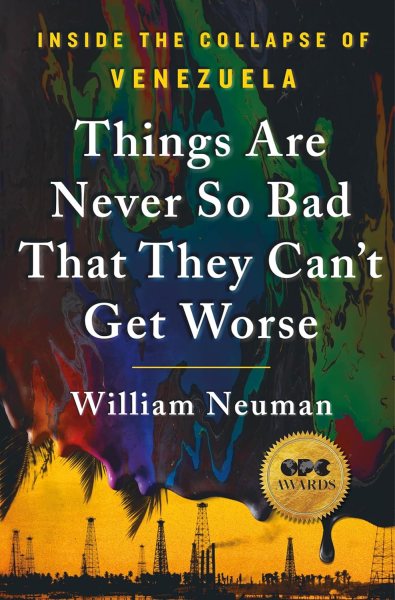
Things Are Never So Bad That They Can't Get Worse: Inside the Collapse of Venezuela by William Neuman
Deeply reported, the book examines how Venezuela isn’t really an example of socialism’s failures, but rather of the destructive potential of charismatic populist leadership. Part journalism, part memoir, part historical retelling, the book by William Neuman chronicles Venezuela’s journey from riches to poverty, providing great insight into what happened.
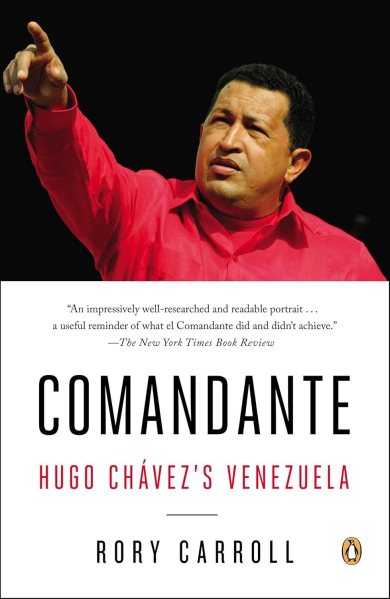
Comandante: Inside Hugo Chávez 's Venezuela by Rory Carroll
This book is another account of the Chávez presidency, but not just looking at the good times or at the downfall, but also at how Chávez came to be the political force he became. Based on insider interviews and firsthand reporting from his time as The Guardian’s Latin America Bureau Chief, Rory Caroll’s is an interesting outside perspective that seems essential to understanding the big picture.
Open Veins of Latin America by Eduardo Galeano
This book by Eduardo Galeano isn’t so much about Venezuela, but a book about Latin America in general and how history has conspired against the region. A must-read for anyone interested in the history of any Latin American country or just anyone who lives, has lived, or has family in the region. The book also offers an outstanding political economy, social, and cultural narrative, as well as a compelling metaphor about capitalism.