

Every holiday table tells two stories: one about where we come from and another about who we are becoming. Traditions connect us across generations and borders, linking our families to our ancestors and to loved ones who may live far away but share our roots. That sense of connection is part of what makes the season so meaningful.
Year after year, familiar rituals bring the holidays to life. We prepare romeritos, bacalao, lechón, coquito, and countless other favorites. At the center of the table, Coca-Cola brings a refreshing touch to the moments we share.
But tradition isn’t just about repeating what came before. To endure, each generation must make it personal—and add something of its own.
Younger Latine people are doing exactly that. Some grew up far from their parents’ home countries; others come from mixed cultural backgrounds. Many simply want to celebrate in ways that reflect their own lives. Rather than leaving tradition behind, they are finding new ways to carry it forward.
That balance between preservation and reinvention can appear in something as familiar as decorating the tree. Young people still mark the occasion with ornaments and lights, but their style may look different. Twinkling musical lights might give way to a minimalist display, while personalized figures replace candy canes and snowmen.
The shift goes far beyond decorations. New rituals might include volunteering before dinner or hosting a friends-only celebration before visiting family, with Coca-Cola among the familiar touches that make the occasion feel like their own. Some people write to loved ones they haven’t seen in a while, reminding them they are still close at heart. Others make space for their mental health by reflecting on what is going well, acknowledging what needs attention, and finding calm before caring for everyone else.

For some younger people, connection may replace more formal observances. They visit friends and relatives they haven’t seen in a while, bringing a dish or snack and a six-pack of Coca-Cola Original Taste. Then they settle in to catch up, laugh, and remember the good times. In its own way, caring for personal and collective well-being has become a meaningful seasonal practice.
Even the holiday menu is evolving. Younger cooks are updating traditional recipes with new ingredients, techniques, and influences from other regions. Turkey, lomo, and lechón still have a place at the table, but they arrive with bold new flavors. The dishes remain recognizable while reflecting the creativity of those who prepare them.
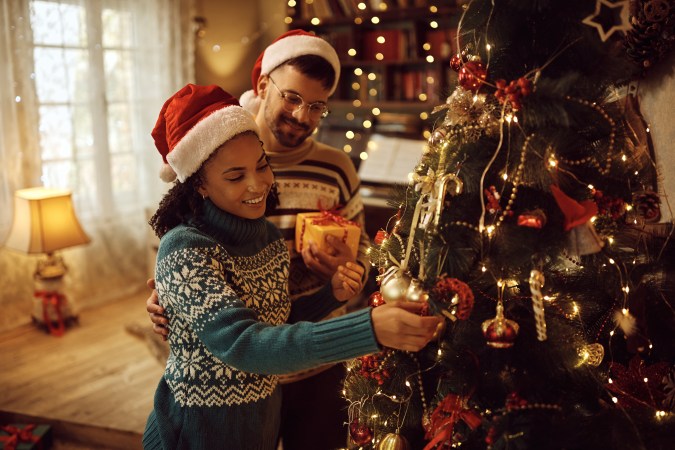
And yet, some traditions need no reinvention. People of all ages still look forward to the annual family gathering and the big holiday dinner. They decorate the tree together and bring out ornaments from childhood. They wait all year for the guisado that only Mom or Abuela knows how to make just right. When someone opens a cold bottle of Coca-Cola, glasses circulate the table so everyone can share. It’s a simple gesture, but one that brings people together, making everyone part of the moment. These traditions are about more than what we do or what we share. These rituals endure because they remain part of who we are.
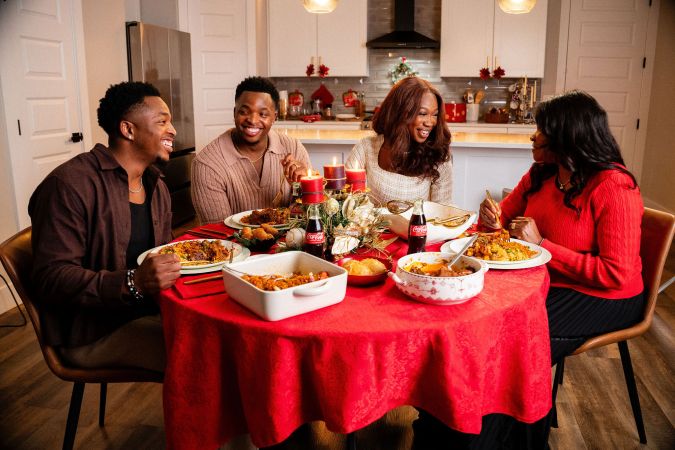
In 2026, old and new traditions do not compete; they strengthen each other. Younger people are creating customs that make the holidays feel more personal while still embracing the rituals they share with family and friends. Together, those experiences connect them to something bigger, warmer, and stronger. Like Coca-Cola, the essence and joy of the holidays remain, even as the details evolve.
Traditions last because they can grow with us. Creating new ones does not erase the past; it extends its story. By honoring what they inherited and adding something of their own, younger generations are helping keep the holiday spirit alive for those who come next.