
If you’ve been in fandom at any point in the last decade or so, you’ve heard of “Come to Brasil,” both a fandom rallying cry and a declaration of the passion of the Brazilian fanbase. Now, a documentary titled just that, ‘Come to Brasil’ is examining what’s behind the fandom and the expression.
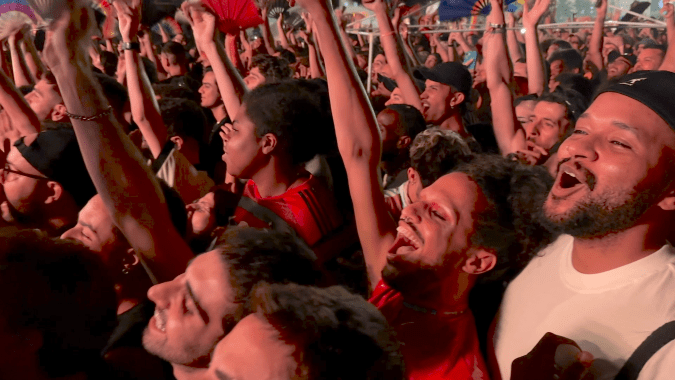
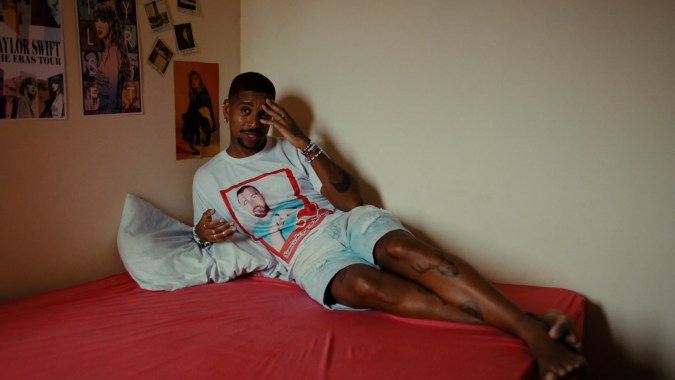
Across a 20-minute runtime, the documentary focuses on four Rio de Janeiro-based superfans of Lady Gaga, Taylor Swift, Madonna, and Beyoncé and delves into how their love for their idols brings humanity to something otherwise brushed off as a meme.
The film premiered on Rolling Stone Films on July 16, and was produced by Discordia, a female-founded production company focused on Latin American stories. The film boasts an entire female core team: director, producer, cinematographer, and editor, and a crew of over 90% Latino filmmakers across LA and Brazil.
Filmmaker Lina Abascal and editor Dri Sommer talked to Remezcla about fandom, the documentary’s origins, and what message they wanted to send.

“As someone who has been on the internet since I was in middle school or before, like 30 years, 25 years or something, I really just started seeing this comment: come to Brasil, come to Brasil. And I was just thinking, like, are these people all actually in Brazil that are saying this? Is this like some sort of meme that I’m not in on?”
“And then I started to dig a little bit and see how a lot of musicians, even the biggest of the big, don’t tour in Brazil, or they go like once every two decades.”
That’s where the idea came from. And for Abascal, it was always about touching on the human element. “I’m less interested in like a more academic analysis and more human-rooted story about the actual passionate people that are saying this and what it means to them, because I’m seeing it from the US, where I’m spoiled for options.”

Ironically, things worked out in a way where they could explore not just the wait, but what happens after. Because right as they started filming this, Lady Gaga announced a concert in Brazil. So, it’s like, “I’ve been waiting to see this person for 20 years; I finally do. And then it’s like, what’s next? Oh, the point is the fandom and my friends are part of my identity in my community. And that’s actually more valuable than like a two-hour concert.”
Sommer agreed. “Once I started digging into the edit, I quickly understood we weren’t only making a film about pop stars and their fans; this story was about longing and belonging, about the beautiful way Brazilians effortlessly create community around a common love. We have a genuine desire for aliveness and joy, to be outside surrounded by people, enjoying each other’s company to the fullest.”
For Abascal, the reminder that “the U.S. is not the center of the universe” is important. Particularly when it comes to fandoms. “Even if you’re not a Gaga fan, Swiftie, I still think that the passion behind these people is relevant to anyone. You can apply that to whatever it is that you care about.”
And, perhaps, in the end, as Sommer said, this passion can now be translated into Brazilian culture. “I had a ton of conversations with Brazilians while making this film about ‘Stray Dog Syndrome.’ Do we still need that external validation from gringos, from Americans specifically, or have we outgrown it?”
“Brazil has gone through a massive shift in how we see ourselves and what we have to offer the world in the last 20 years. Everywhere I go now, I can feel how much more our culture is valued, appreciated, and part of the mainstream conversation.”
Come to Brazil. It applies to artists and entertainers alike, and hopefully, now, to everyone. There’s a lot to discover.